Critical State
One Critical Point, Two Process Foundations
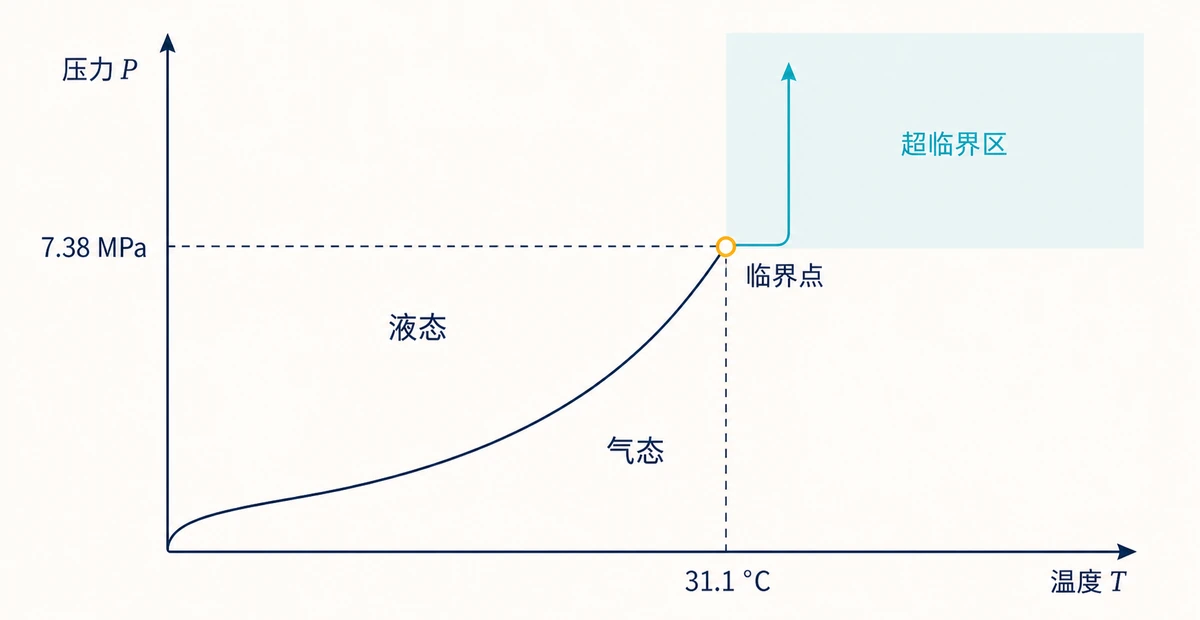
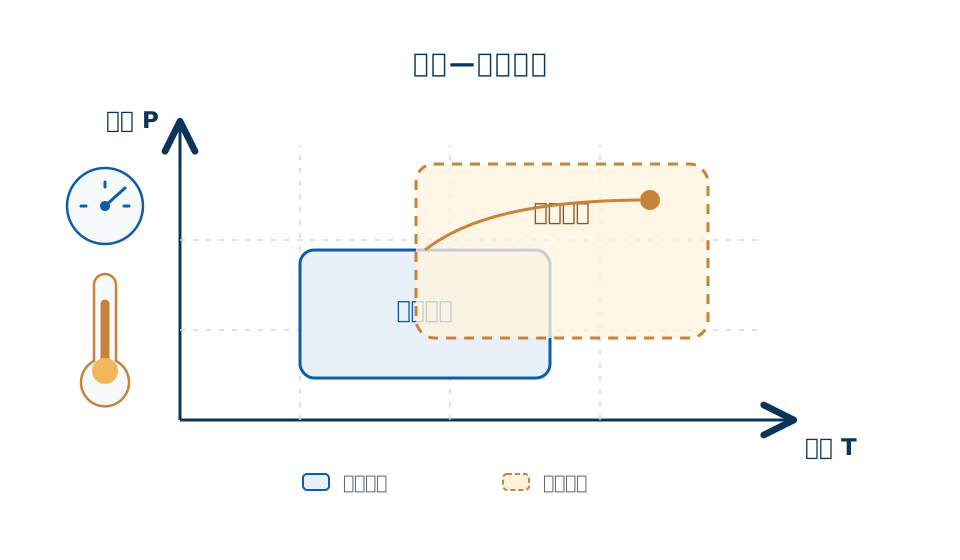
The critical point of CO₂ is 31.1°C and 7.38 MPa. Above both thresholds, CO₂ becomes a homogeneous fluid phase.
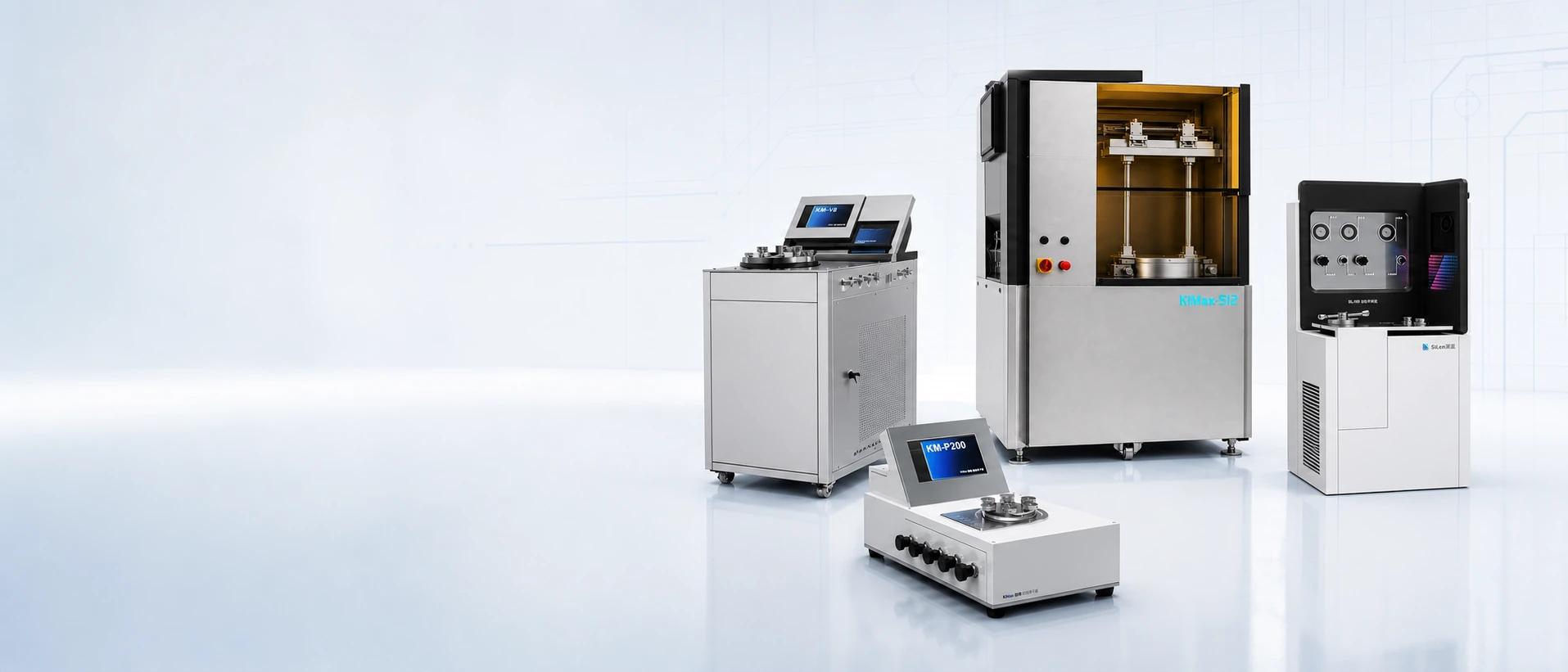
Equipment and complete systems for supercritical CO2 drying and extraction.
From benchtop sample preparation, aerogels and wafer-scale drying to natural-product and fine-chemical extraction—preserving structure and delivering repeatable results, batch after batch.
01Process
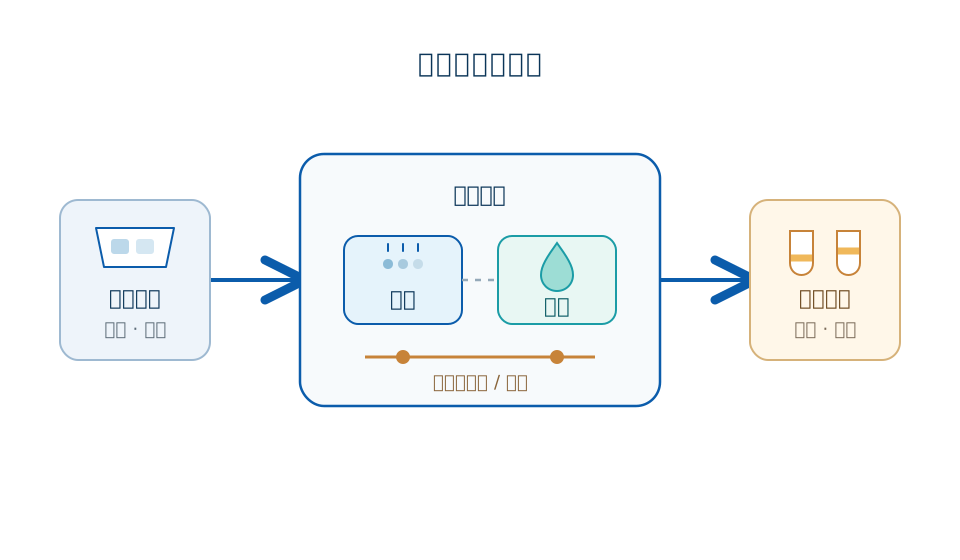
Drying follows a single-phase CO₂ path to reduce capillary-pressure damage; extraction uses tunable solvent power to extract and separate target compounds.
Critical State
The critical point of CO₂ is 31.1°C and 7.38 MPa. Above both thresholds, CO₂ becomes a homogeneous fluid phase.
Drying Path
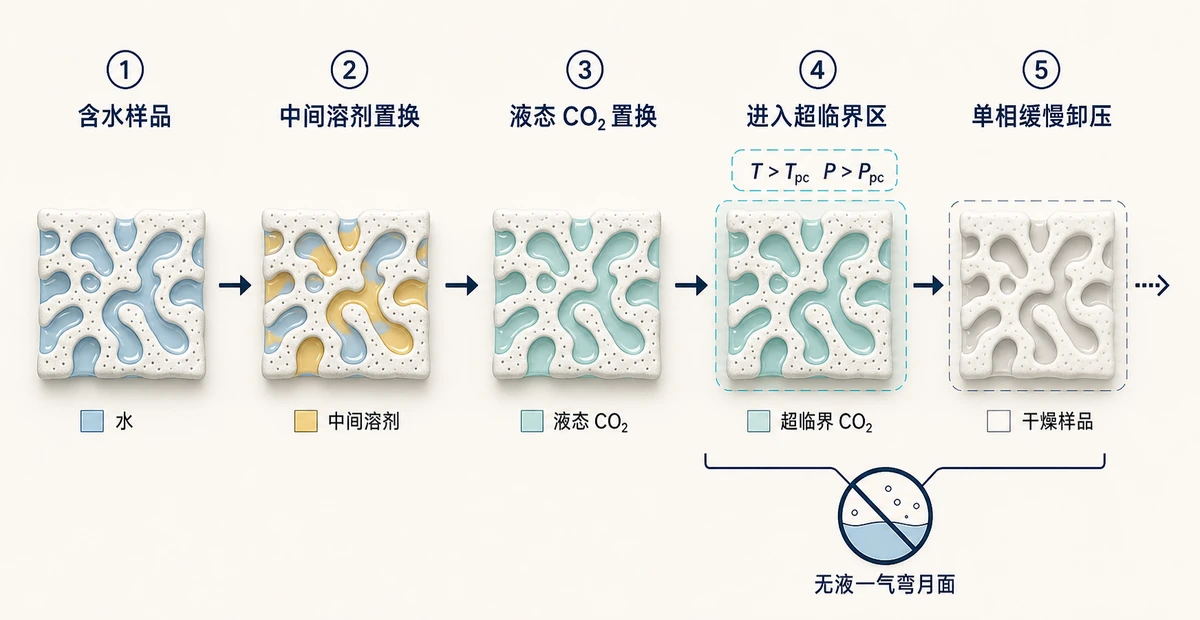
An intermediate solvent and liquid CO₂ sequentially replace pore liquid. The system then crosses the critical point and depressurizes slowly to reduce capillary damage.
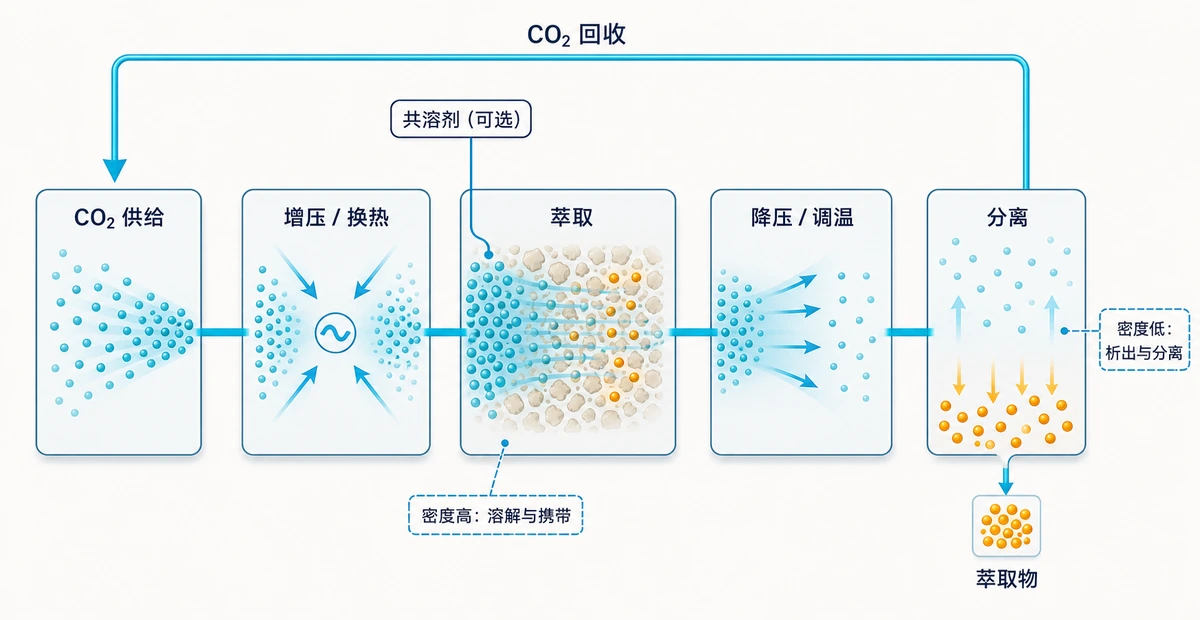
Extraction Path
Dense CO₂ dissolves and carries target compounds. Reducing pressure or changing temperature precipitates them while CO₂ is recovered for recirculation.
02Equipment
From benchtop sample preparation and large-format validation to wafer-scale drying and natural-product extraction.
Every platform is delivered with an integrated CO2 pressurization, heat-exchange, separation/recovery and control-interlock architecture.
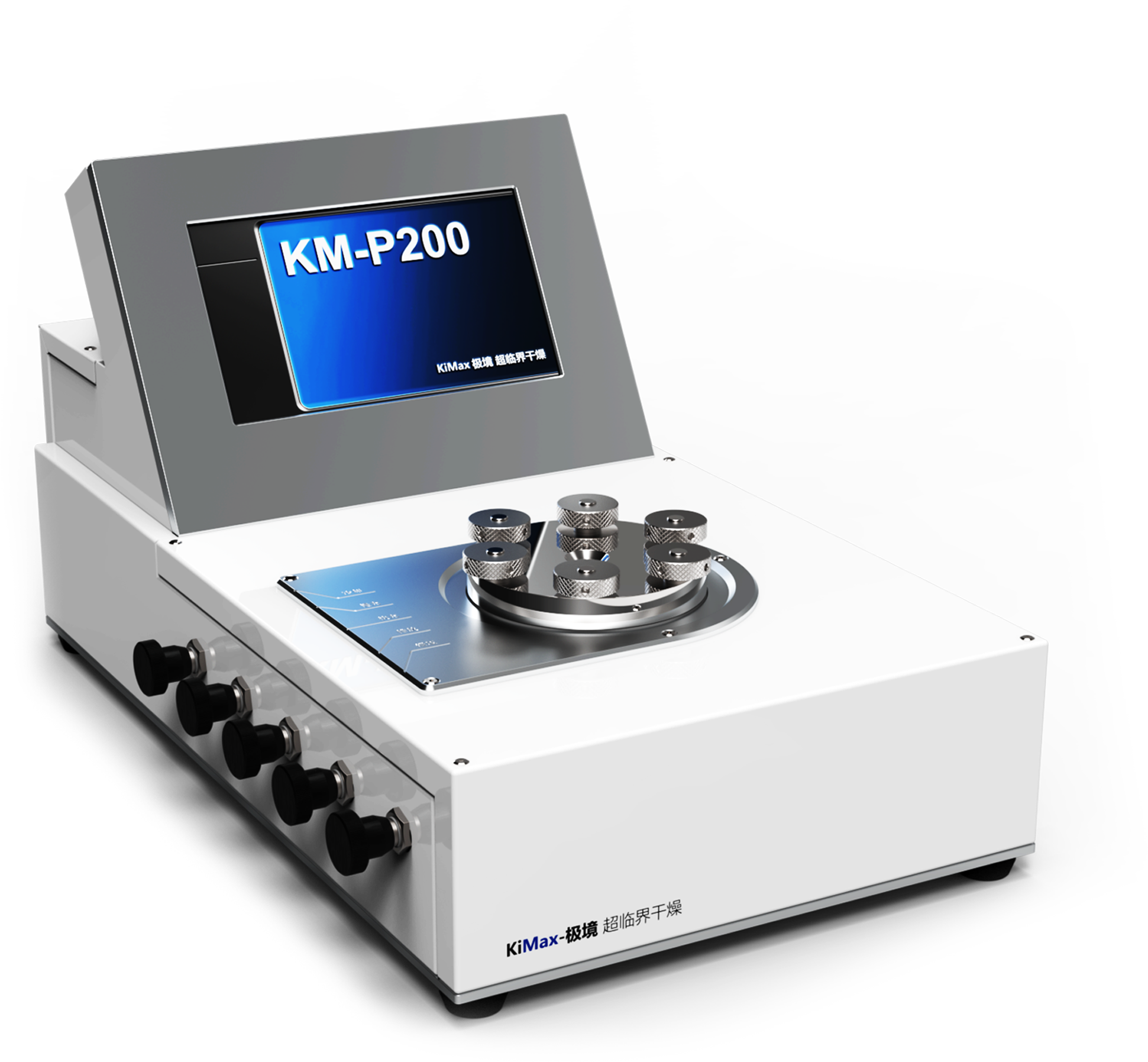 Benchtop Laboratory
Bring automated CO2 drying to the laboratory bench, with one-touch programs for most sample workflows.Best for: benchtop R&D, electron-microscopy preparation, aerogels and small micro/nano structures.
View KM-P Details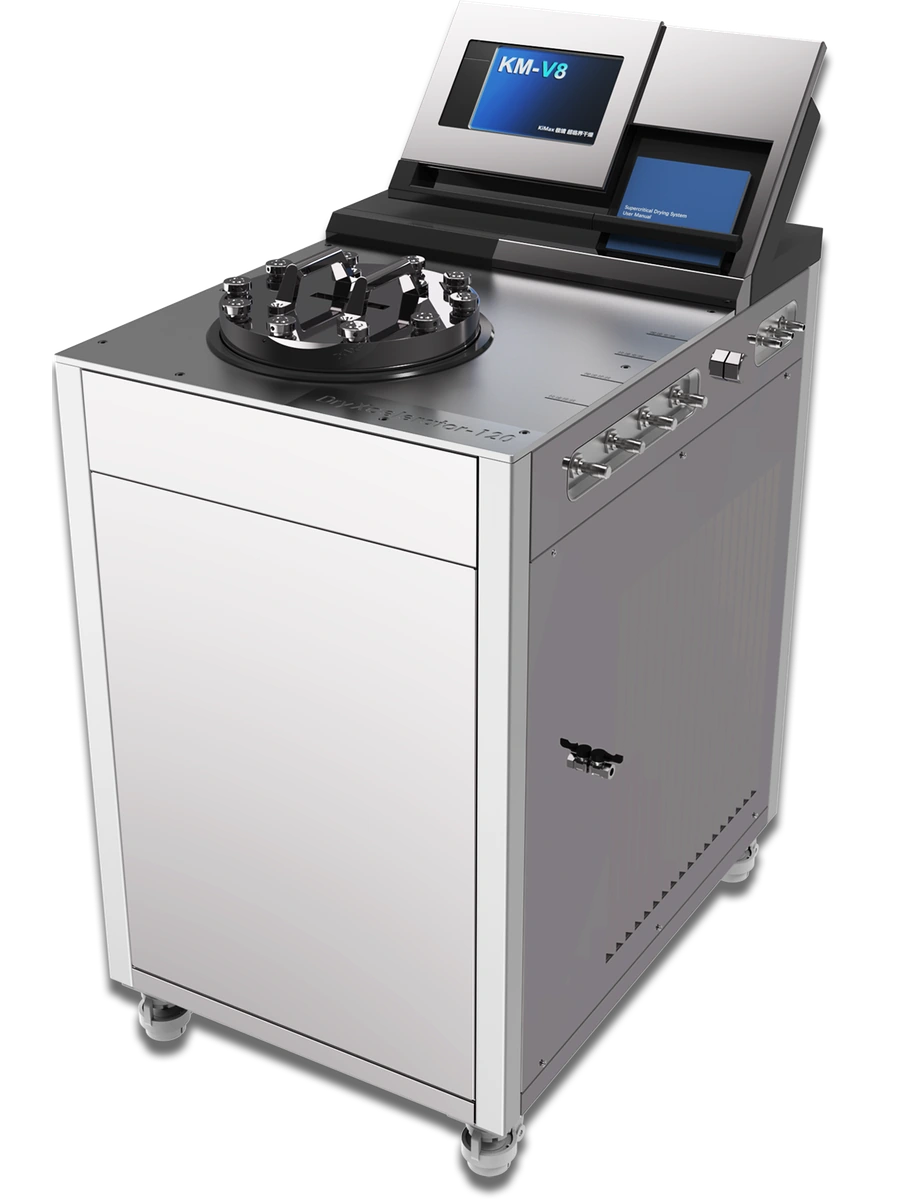 Small Batch & Pilot
Designed for larger samples and small-batch validation, balancing capacity, recipe management and batch comparison.Best for: larger chambers, 8-inch wafer fixtures or higher-throughput validation.
View KM-V Details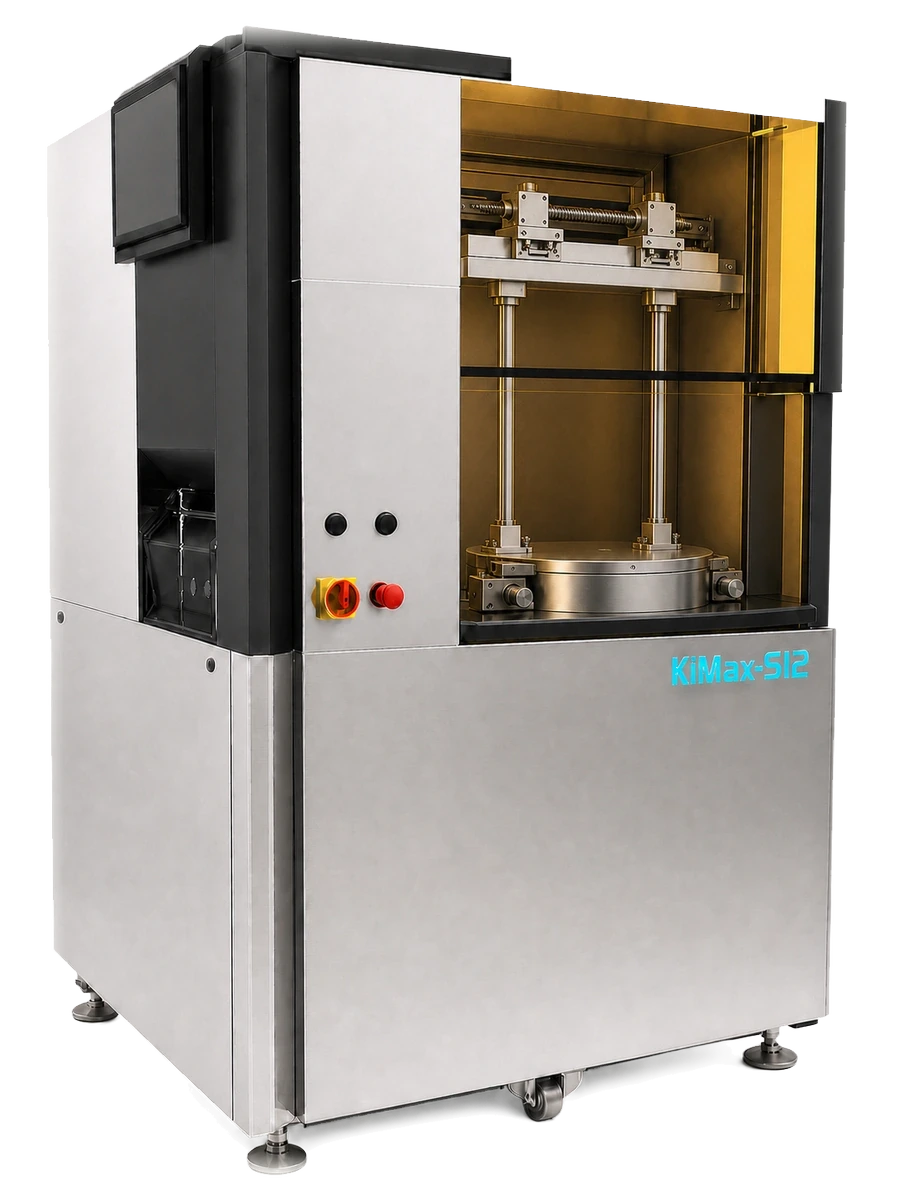 Wafer Production Line
Built for 8/12-inch wafer drying after wet cleaning and for integration into production workflows.Best for: wafer-level cleanliness, automatic vessel lids and site automation interfaces.
View KM-S Details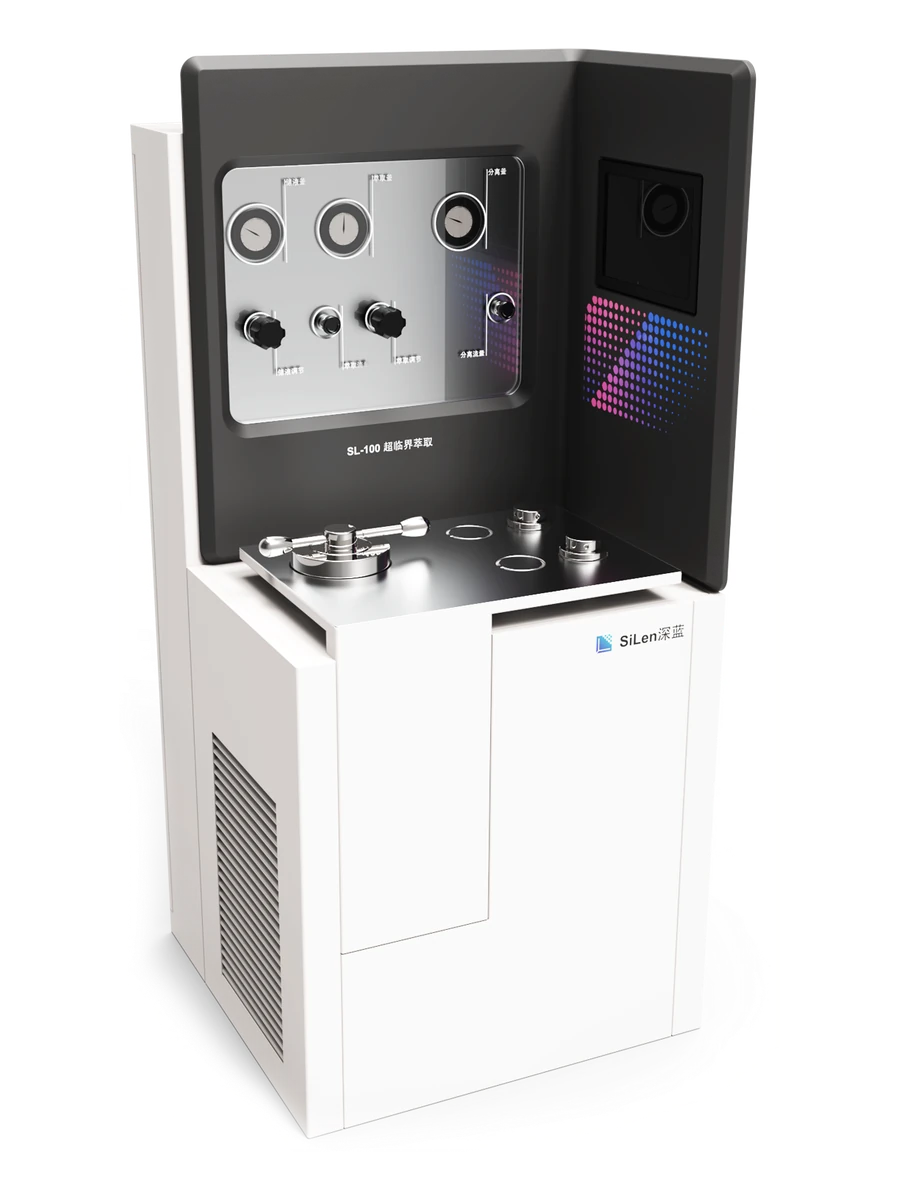 Extraction & Pilot
Supercritical CO2 extraction for natural products, food, pharmaceutical intermediates and fine chemicals.Best for: projects requiring configurable extraction vessels, co-solvent dosing, separation vessels and CO2 recovery.
View SiLen DetailsIntegrates pressurization, heat exchange, condensation/separation, recovery loops and controls around the drying or extraction unit.Best for: integrating pressurization, heat exchange, recovery and interlocks into a standard or custom system.
03Compare
Choose KM-P, KM-V or KM-S by sample size, batch volume and cleanliness class. Configure SiLen Deep Blue by vessel size, pressure, co-solvent and separation requirements.
| Series | Best fit | Chamber / Vessel | Pressure range | Temperature range | Key configuration |
|---|---|---|---|---|---|
| KM-P | Benchtop laboratory use, SEM/TEM preparation and small samples | 2.5–3.4 inches, 100–200 mL | Operating 0–1500 psi; safety limit 2000 psi | Operating 0–50 °C; safety limit 55 °C | Touchscreen recipes, modular sample chambers; filtration confirmed per configuration |
| KM-V | Small-batch validation, large samples and 8-inch wafer fixtures | KM-V6 approx. 679 mL; KM-V8 approx. 1162 mL; deep-chamber plans confirmed per project | 0–2000 psi | −30–60 °C | Closed-loop cooling, condenser, spacer rings and 8-inch wafer basket; quantity confirmed by chamber and fixture |
| KM-S | 8/12-inch wafers, clean production lines and automation integration | 13-inch chamber, up to 17 L; multi-wafer capacity depends on fixtures | 0–3500 psi | −30–80 °C | Automatic vessel lid, 316L wetted parts, clean filtration and site-interface evaluation |
| SiLen | Natural products, food, pharmaceuticals and fine chemicals | 200 mL integrated unit; configurable 500 mL–3 L vessels, with 1 L-class standard | Vessel rating up to 52 MPa; system pressure confirmed by pump and plan | Published operating window ambient–50°C; some configurations support up to 80°C | Dual-piston and co-solvent pumps, single/dual-stage separation and CO2 recovery configured by plan |
04Engineering
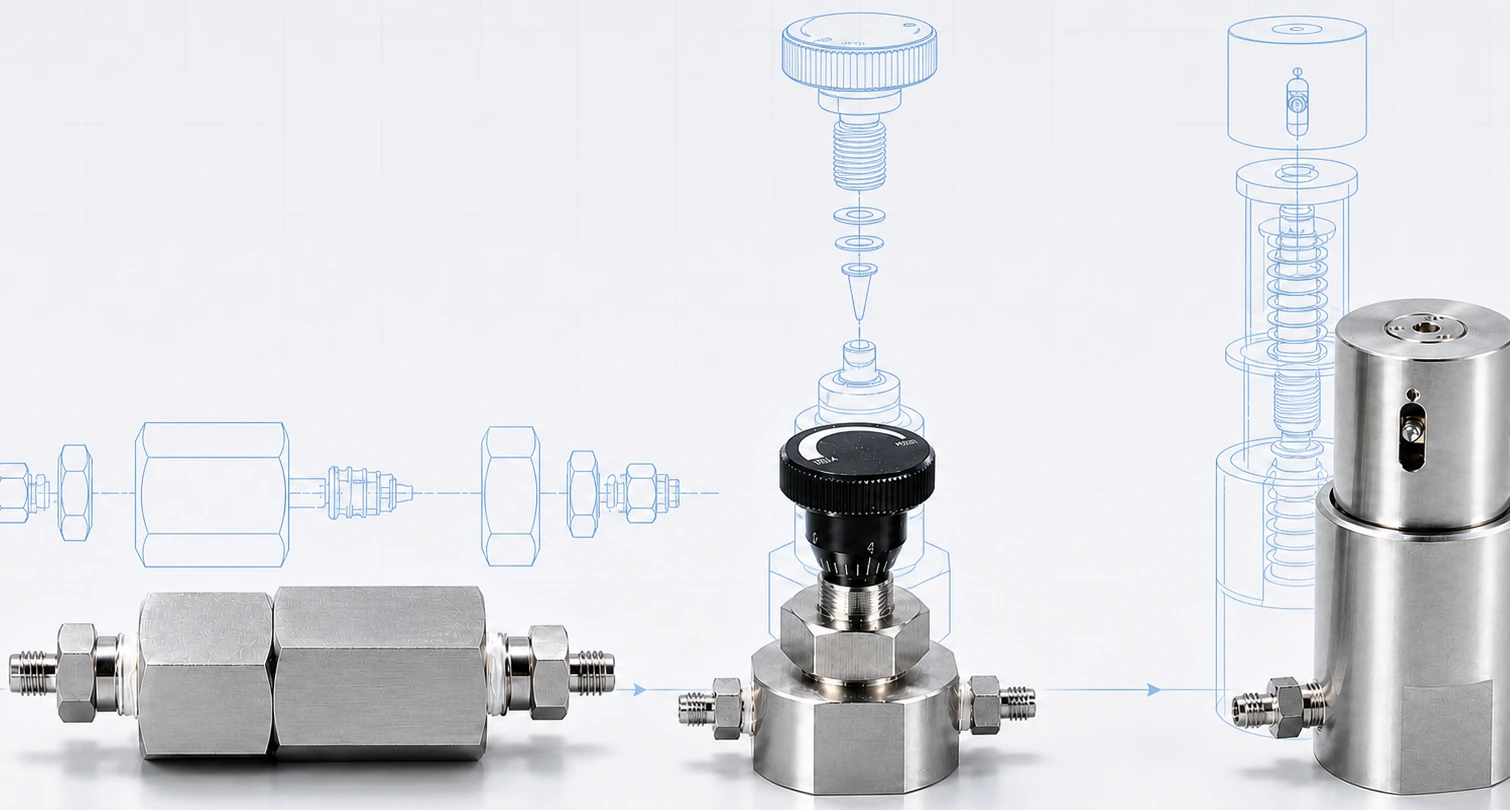
Large pressure-drop cooling, dry-ice blockage, low-temperature sealing and high-pressure regulation are the most demanding parts of a supercritical system. We design critical components around these conditions, then validate the complete process on the assembled equipment.
Critical Components
Precise liquid-CO2 inlet, check-flow and back-pressure control directly protects the sample. These three patented valve designs balance flow direction, fill rate, back-pressure profile and low-temperature seal life across real process windows.
Who We AreBeijing Shian Kelin · KiMax Supercritical Processing
05Custom Systems
The same engineering team supports sample tests and process assessment through design, assembly, commissioning and site delivery. These four needs are common starting points for custom projects.
Need 01
When sample size, batch volume or solvent system exceeds standard chambers, the CO2 supply, pressurization, heat exchange, separation and recovery stages can be engineered to the project.
Need 02
Projects that require higher pressure, a wider temperature range or stable operation on a specific profile may need a custom process window.
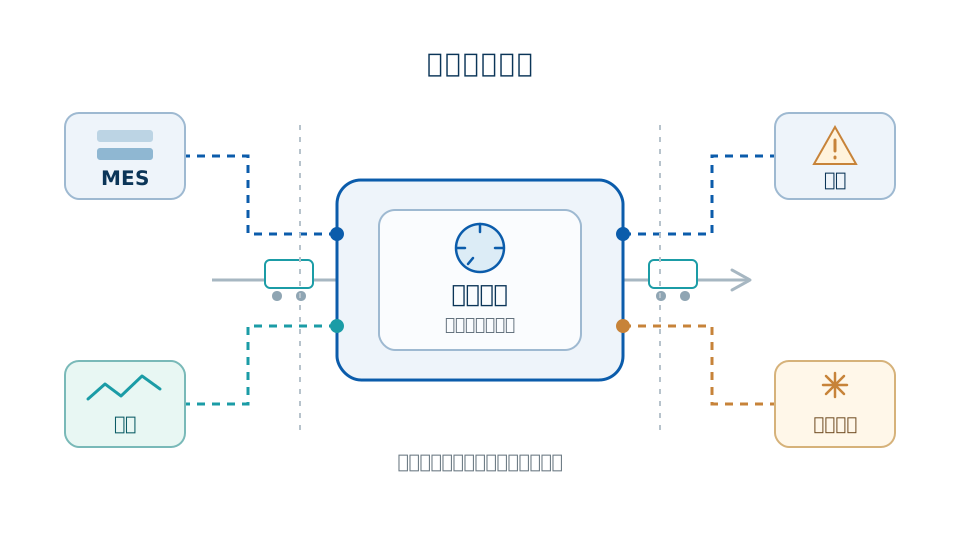
Need 03
Control logic, data interfaces and materials are defined against the site's MES, alarm and clean-environment boundaries.
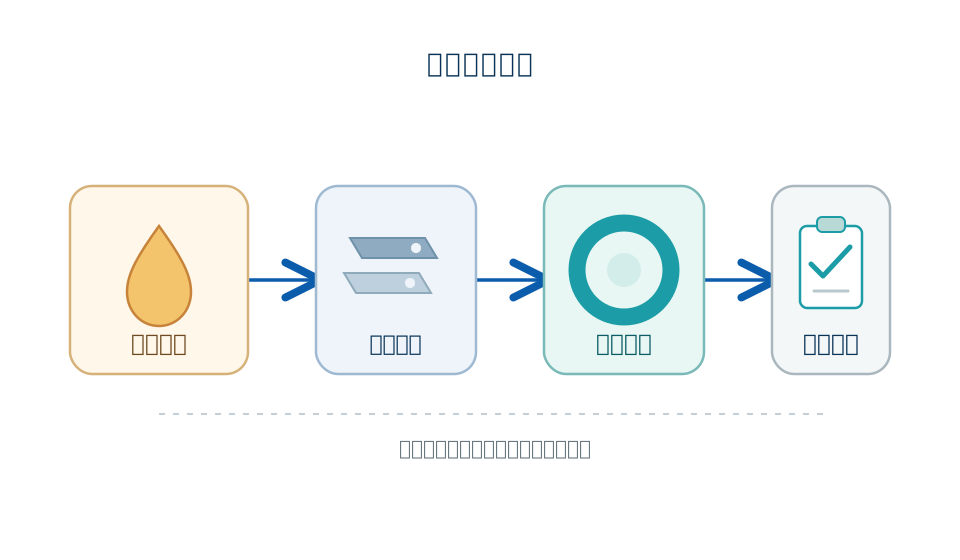
Need 04
For corrosive gases or liquids, wetted materials, seals and valve control are selected around chemical compatibility and service life.
Delivery Path
We first test the sample on existing equipment, then define the custom scope from the results. The same engineering team carries the project through design, assembly, commissioning, installation and agreed acceptance checks.
Run full process cycles on submitted samples to assess the operating window and feasibility.
Review the process architecture, mechanical concept and component list, then confirm the delivery boundary.
Perform and document factory tests for leak tightness, pressure-temperature control, complete cycles and safety interlocks.
Engineers install and commission on site, train operators and complete each agreed acceptance item.
06Applications
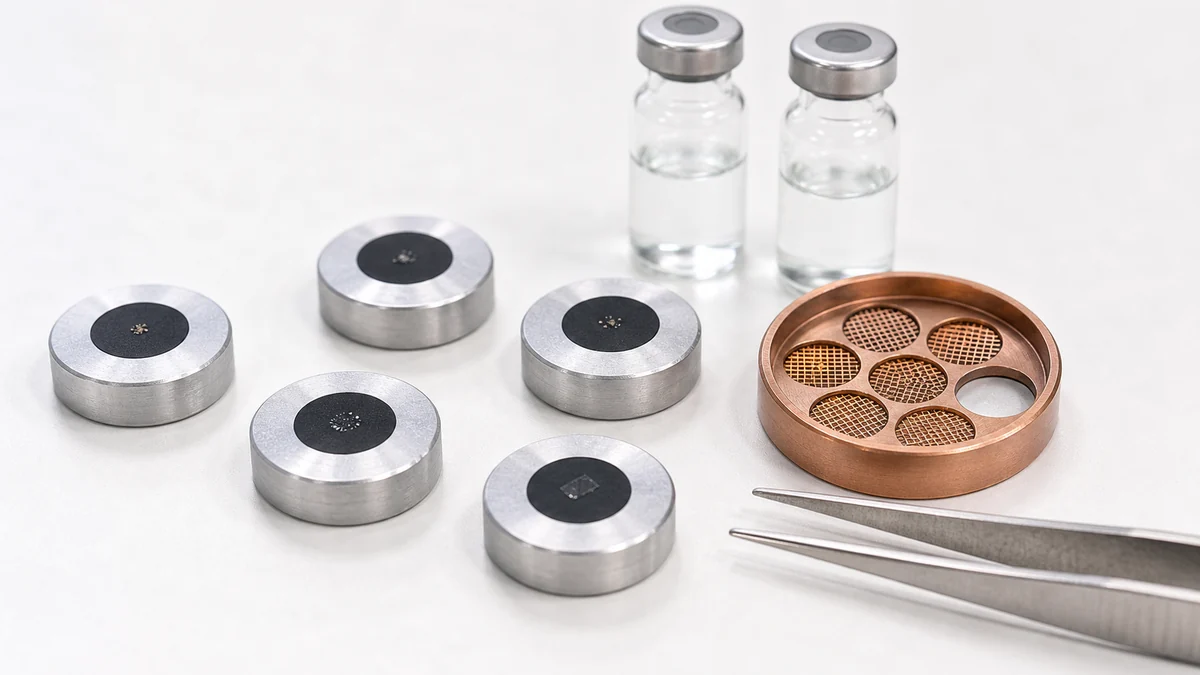
Prepare biological samples, gels and delicate structures while reducing collapse and shrinkage.
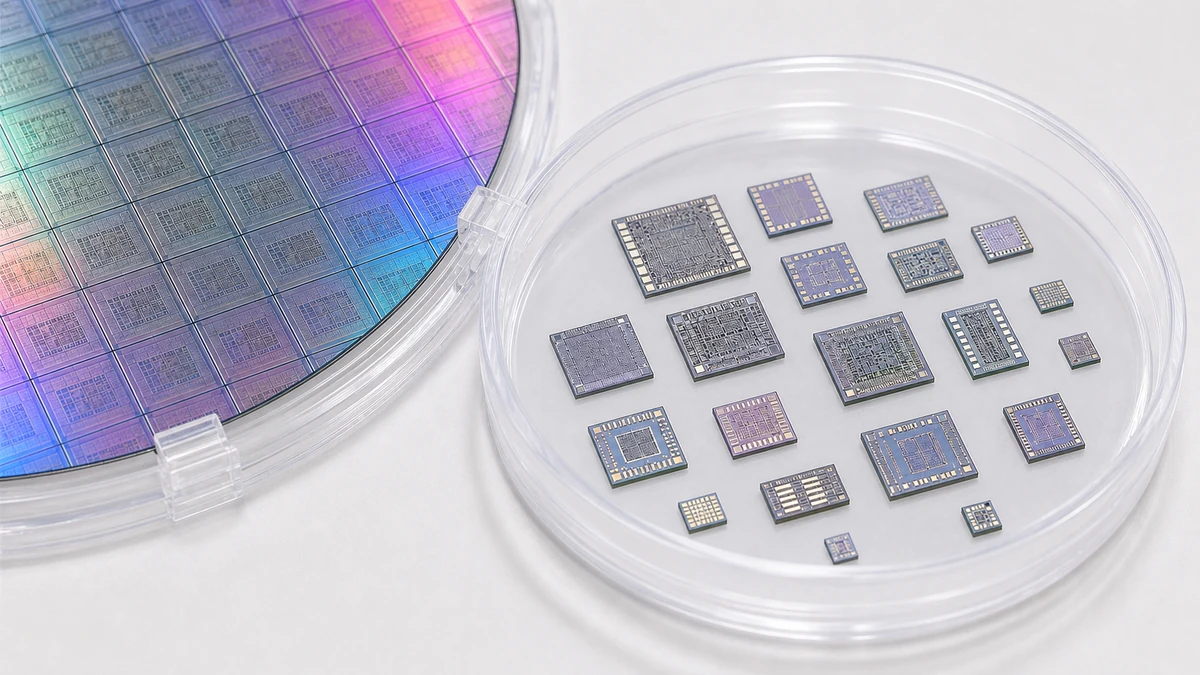
Damage-minimized drying after wafer wet cleaning, MEMS cantilever release and sensor-structure protection.
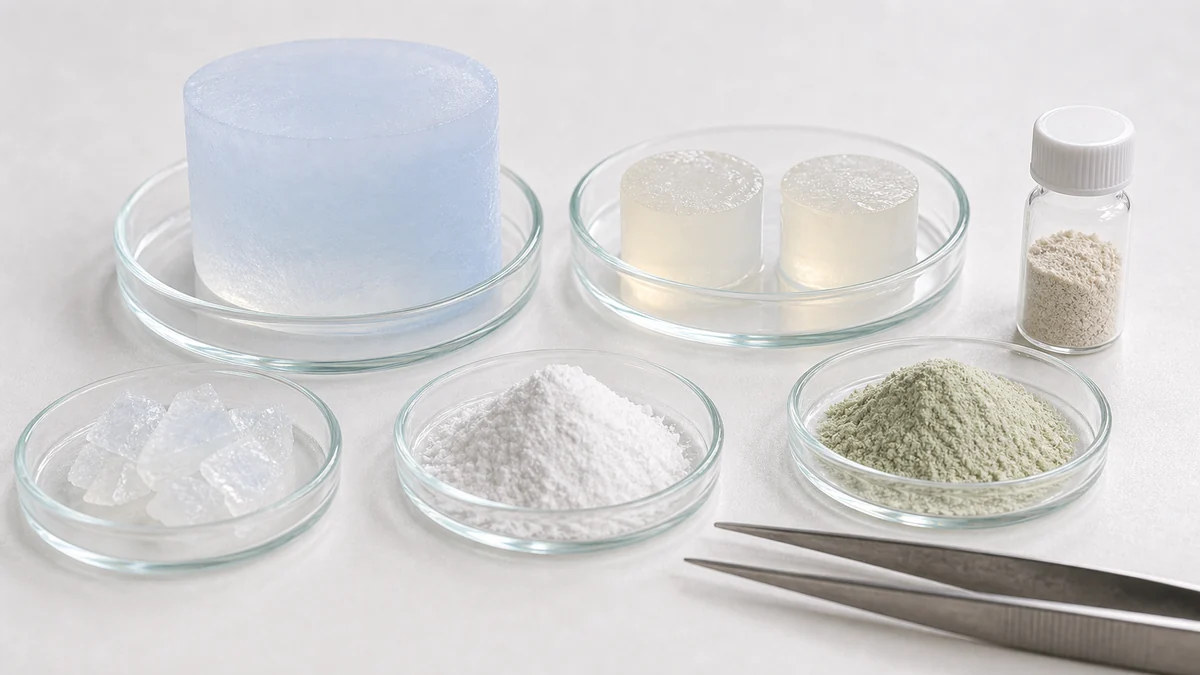
Reduce pore collapse and cracking in highly porous materials, MOFs and gel systems.
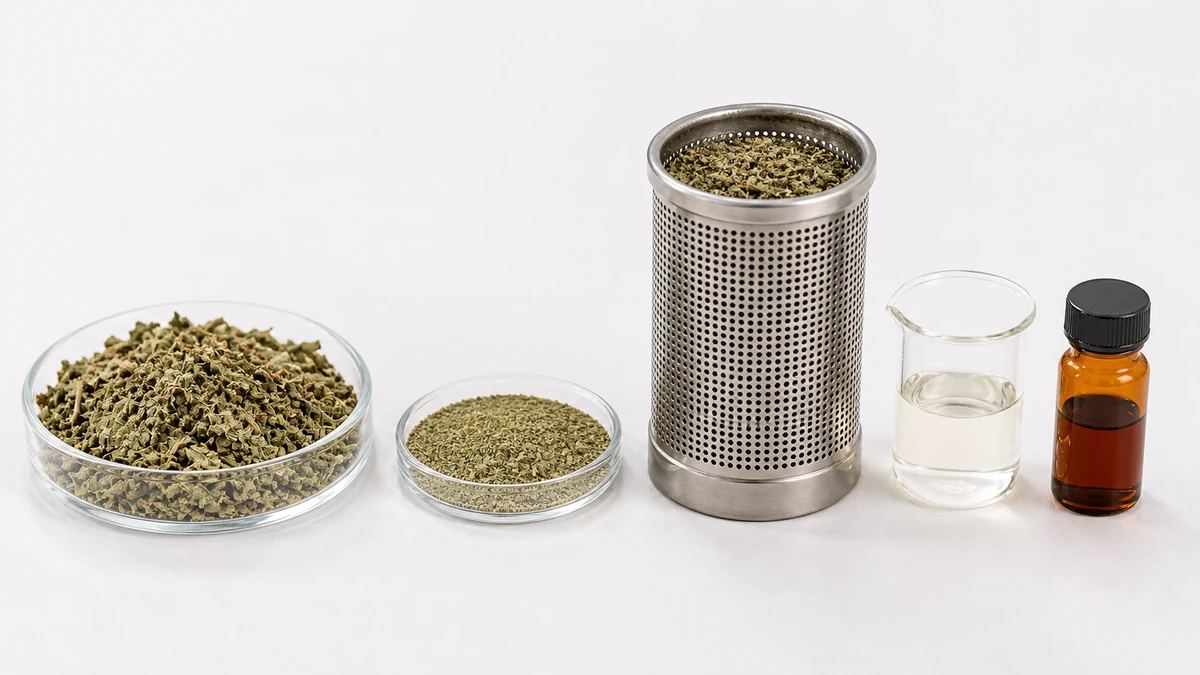
Screen feedstock size, loading density, pressure-temperature programs and entrainer conditions to assess target yield and selectivity.
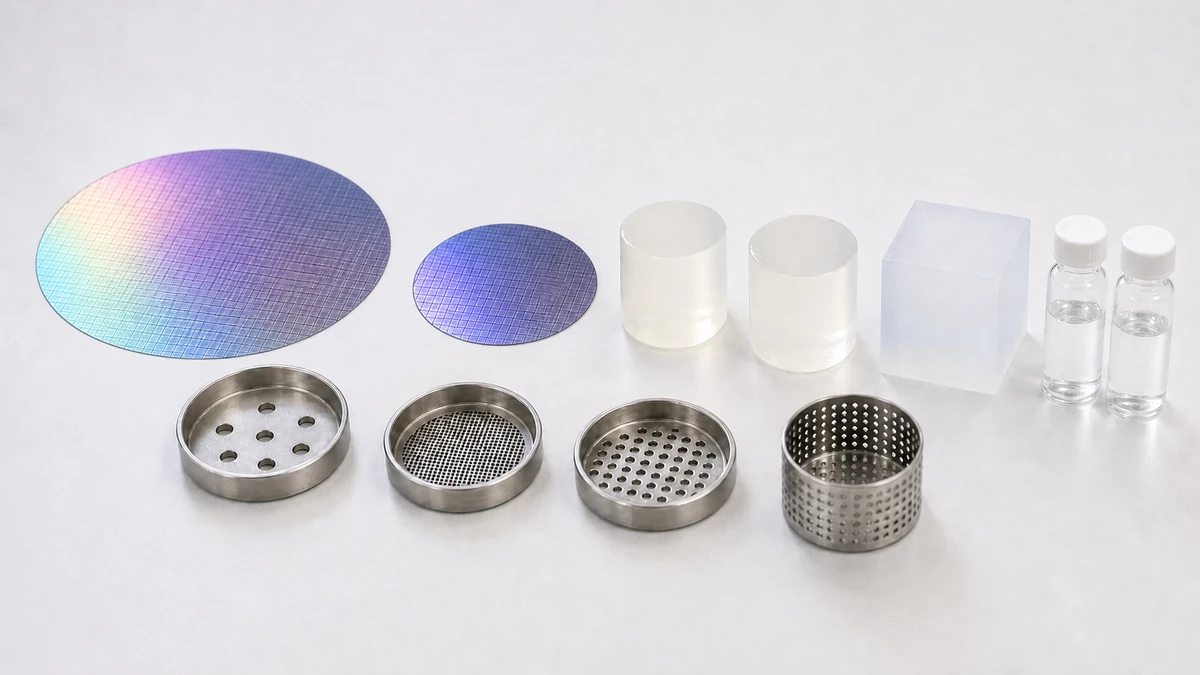
Validate exchange paths and process windows with actual samples before selecting equipment.
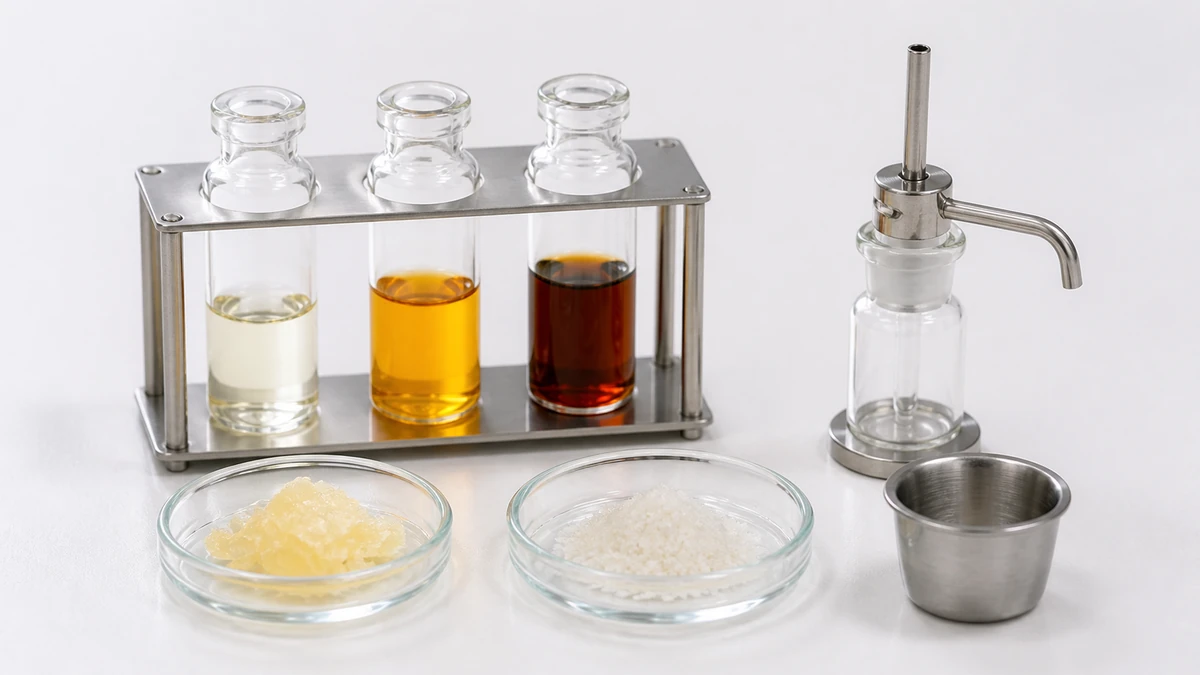
Collect light, oil and wax fractions across a separation-pressure gradient and compare precipitation order, purity and mass balance.
Frequently Asked Questions
Answers to common questions about equipment selection, sample testing, critical point drying and extraction configurations.
KM-P is designed for benchtop R&D and electron-microscopy sample preparation. KM-V handles larger samples, small batches and 8-inch wafer fixtures. KM-S supports 8/12-inch wafers and automated clean-line integration.
Conventional drying creates a liquid–vapor meniscus that can generate capillary pressure. Supercritical CO₂ drying first exchanges the solvent, enters the supercritical region and then depressurizes along a single-phase path, reducing damage to MEMS, aerogels and micro/nano structures.
Yes. First confirm sample size, solvent-exchange method, target structure, throughput and cleanliness requirements, then select the appropriate KM-P, KM-V, KM-S or SiLen configuration.
Yes. We can engineer sample chambers, extraction vessels, pressure-temperature windows, CO2 flow paths, separation and recovery, PLC/HMI controls, safety interlocks and site interfaces.
Yes. The SiLen Deep Blue system supports natural-product, food, pharmaceutical-intermediate and fine-chemical R&D, with configurations selected by vessel size, pressure range, co-solvent needs and separation stages.
Confirm sample size, solvent system, exchange steps, target morphology and cleanliness requirements. For water-containing samples or special solvents, review the exchange path and material compatibility in advance.
Available options include clean filtration, 316L tubing, pressure and temperature trend recording, alarm logs, PLC/HMI controls and data export. Wafer and production-line projects can also include site-interface integration.
Prepare the sample type, dimensions, batch size, solvent state, target morphology, pressure-temperature range, cleanliness class, site interfaces and any custom automation requirements.
Contact
Tell us the sample type, size, batch volume and cleanliness requirements. For extraction, add the feedstock form, target compounds and throughput. You can also send a sample first and use the results to confirm the process window before selecting equipment.